E-56 sits in Laxmi Nagar, a few minutes from the Metro station on the Blue Line, so for most people reading this there is nothing to arrange. What matters more is what surrounds the building. Laxmi Nagar holds one of the densest concentrations of small traders, wholesalers and professional offices in East Delhi, and the books those businesses keep are kept in the software this course teaches.
The ledgers on these streets are Tally ledgers
Tally Prime is the default accounting system for a small trading business in this part of Delhi, which shapes who walks in asking about it. Shop staff who were handed the billing screen and left to work it out. Sons and daughters of wholesalers who will inherit the accounts before they inherit anything else. Graduates who have read enough junior accounts advertisements within walking distance to notice that they all name the same program.
Nobody in that group needs persuading that Tally matters. They have watched it used badly, at close range. Their question is narrower: two months and Rs 10,000, and then what changes.
A course with no journey attached
Living in the catchment removes the variable that decides whether people finish. There is no interchange to plan around, no fares stacked on top of the fee, and no reason an evening session has to compete with a long ride home. If you are helping in a family business during the day, the practical question becomes which slot is running rather than whether you can reach it at all, so ask on 9212008787 when you enquire.
The second advantage is less obvious. Software skills fade when you stop touching them, and a student who lives ten minutes from the classroom tends to keep practising through the two months rather than only during sessions.
What two months does and does not settle
It suits someone headed into a small business here, where one person keeps the books and operating the software is the job.
It suits a B.Com student who wants something demonstrable sitting on top of the degree, close enough to attend between classes.
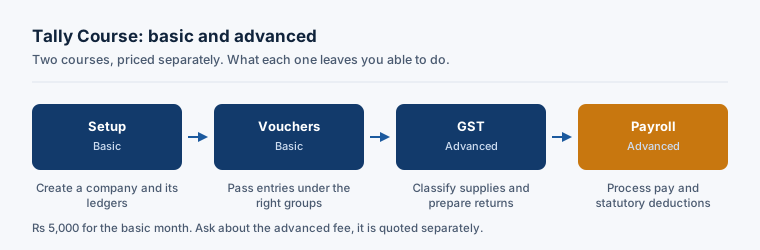
It does not suit you if what you actually want is the tax side. Filing is a separate discipline from posting entries, and the GST Practitioner Course is built for it.
It does not suit the person whose target is a corporate finance department rather than a shop on these streets. That profile is built by the longer Diploma in Financial Accounting, which contains Tally as one component among several.
Common questions from Laxmi Nagar
Can I fit this around helping in the shop?
That is the most common constraint here, and it comes down entirely to which batch slot you take. Two months is short enough that most people hold a single slot the whole way through instead of moving around.
Our family business already runs Tally. Is there a point in studying it?
Usually there is, for a specific reason. Watching someone operate the software teaches you the screens they use, not the ones they avoid. Most family businesses work a fraction of what is in front of them.
Will this on its own get me hired nearby?
For a junior accounts or billing role in a small business, it is frequently the exact thing being asked for. For anything wider it is a starting point, and whether a Tally course is enough by itself is worth reading honestly before you decide.
Should I add GST afterwards?
Plenty of people here do, in that order, because tax work in a trading business sits on top of clean books rather than replacing them.